
Saint Vincent and the Grenadines enforces strict penalties for littering, wildlife, and forest offences under the Litter Act, the Wildlife Protection Act, and the Forest Resource Conservation Act, with fines ranging from as little as EC$500 to as much as EC$10,000 and imprisonment terms of up to two years.
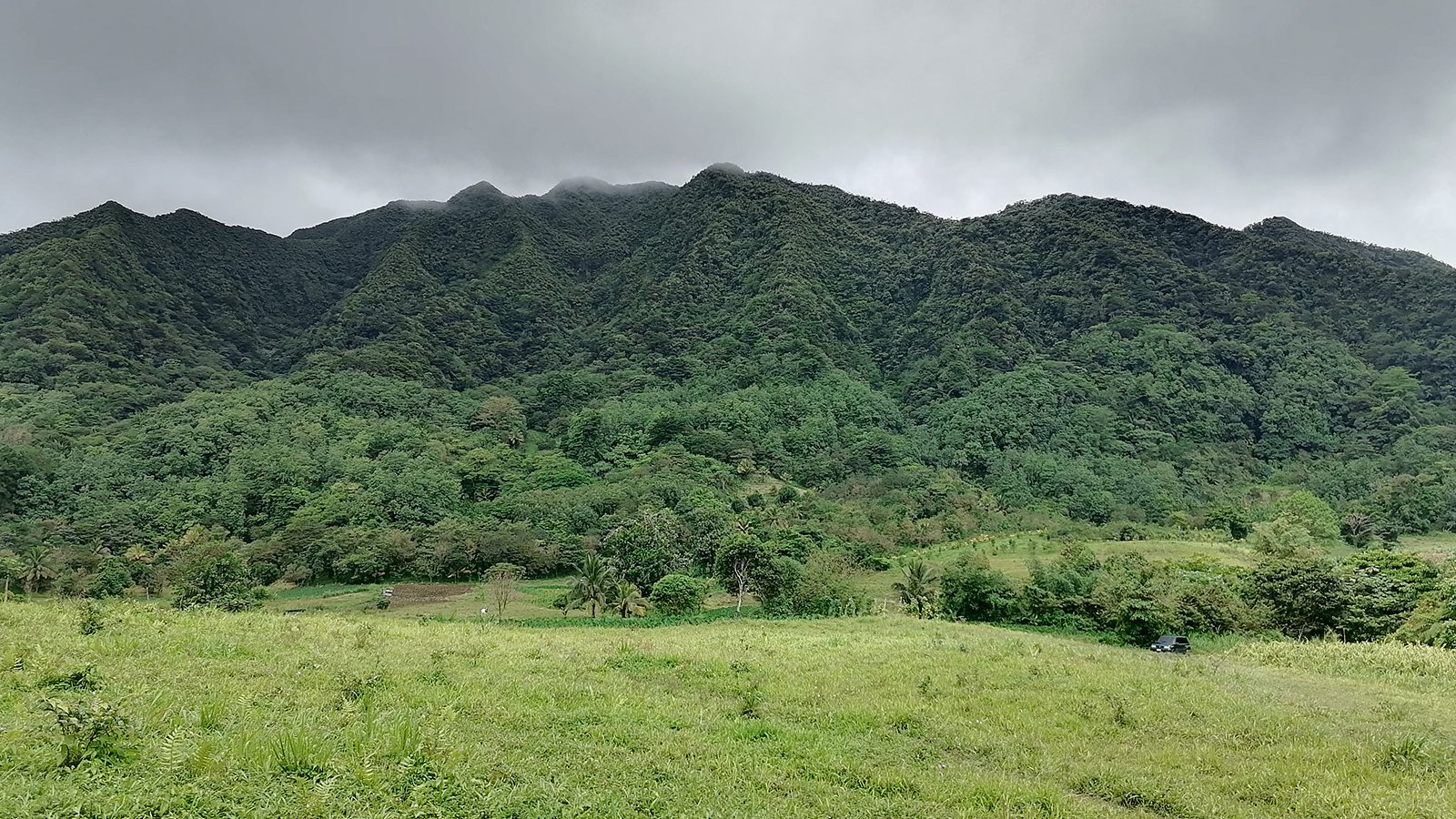

Montreal watershed area
The most severe penalties target obstructing or assaulting a forest officer (up to a EC$10,000 fine and two years’ imprisonment) and hunting protected wildlife, which carries a fine of up to EC$4,000, up to one year in prison on a second offence and a five-year firearm license forfeiture. Repeat offenders face doubled fines and prison terms, while authorities may also seize vehicles used in littering offences, forfeit or impound equipment used in wildlife and forest violations, and order compensation for the market value of damaged trees or forest produce.
The Colonarie, Montreal, and Dallaway Watersheds anchor Saint Vincent and the Grenadines' forest-to-sea conservation network, with the Colonarie River standing as the island's longest, supporting three major waterfalls, a hydro reservoir, and rare endemic species such as the Amazona guildingii and Blue Hairstreak butterfly, even as past agricultural runoff has left detectable pesticide residues in its waters. The Montreal Watershed has been under active conservation since 2004, recovering over 180 combined acres through the Integrated Forest Management and Development Project and a wider restoration effort, protecting three endemic species (black snake, whistling warbler, and whistling frog), and balancing commercial forestry, research, education, and ecotourism through farmer agreements and community coordination. The Dallaway Watershed, a protected forested catchment, supplies clean water to hotels, industrial facilities, and surrounding communities while sheltering native wildlife, including the Vincy Parrot (Saint Vincent's national bird), the Black snake, and the Congo snake. Together, the three watersheds illustrate the Forestry Department's integrated approach to water security, biodiversity protection, and sustainable community livelihoods.
Chatham Bay Forest Reserve on Union Island is a globally significant conservation site protecting island-endemic wildlife such as the Pink Rhino Iguana, the Union Island Gecko, the Diamondback Tarantula, and the Common Scorpion alongside notable and hazardous plants including Brazilian Pepper, Prickly Pear, stinging nettle, and the thorny Wait-a-Minute Bush. The Forestry Department's "Look, Learn, Leave Undisturbed" guidance urges visitors to stay on designated trails and avoid handling plants, since several species can cause skin reactions, stings, or puncture wounds requiring basic first aid (and medical attention if symptoms worsen). Together, the reserve's rare fauna and distinctive flora underscore why Union Island's forests are treated as a priority for protection, respect, and preservation.
SOURCE: Ministry of Agriculture, Forestry and Rural Transformation
